












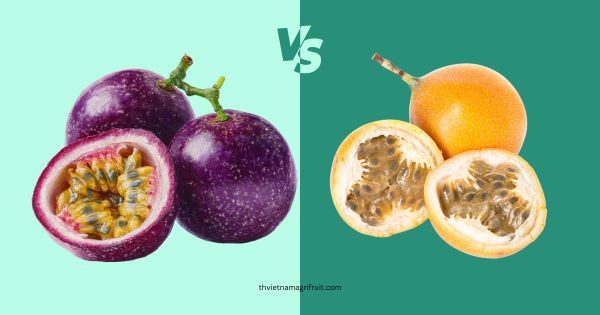
Yellow passion fruit supply and purple one demand continues to expand across fresh fruit, beverage, and food processing markets. Among the different varieties available, purple and yellow passion fruit dominate international trade. While they share similar origins, their differences in flavor, productivity, and commercial application directly influence sourcing decisions.
For importers, distributors, and processors, understanding the distinction between these two varieties is essential. This article explains the key differences between purple and yellow passion fruit and why yellow passion fruit supply plays a central role in modern global markets.
Two Main Passion Fruit Types in Commercial Supply
Vietnam and other tropical countries mainly cultivate two passion fruit types for export:
-
Purple passion fruit
-
Yellow passion fruit
Although both belong to the same botanical family, they differ significantly in taste profile, yield performance, and suitability for large-scale supply chains. These differences affect pricing, consistency, and end-use potential.
Flavor Profile: Sour Intensity vs Mild Sweetness
Purple passion fruit is known for its strong, sharp acidity and intense aroma. Its flavor is bold and tangy, making it popular among consumers who enjoy a distinctly sour taste. This variety is often used in traditional drinks or consumed fresh by niche markets familiar with its strong flavor.
In contrast, yellow passion fruit offers a gentler and more refreshing taste. It is less acidic and slightly sweet, with a pleasant fruity aroma that is sometimes compared to guava or banana. Because of this smoother taste, yellow passion fruit is generally preferred by consumers who do not enjoy overly sour flavors.
From a commercial perspective, the mild flavor of yellow passion fruit allows it to blend easily with other ingredients, making it more versatile for product development.
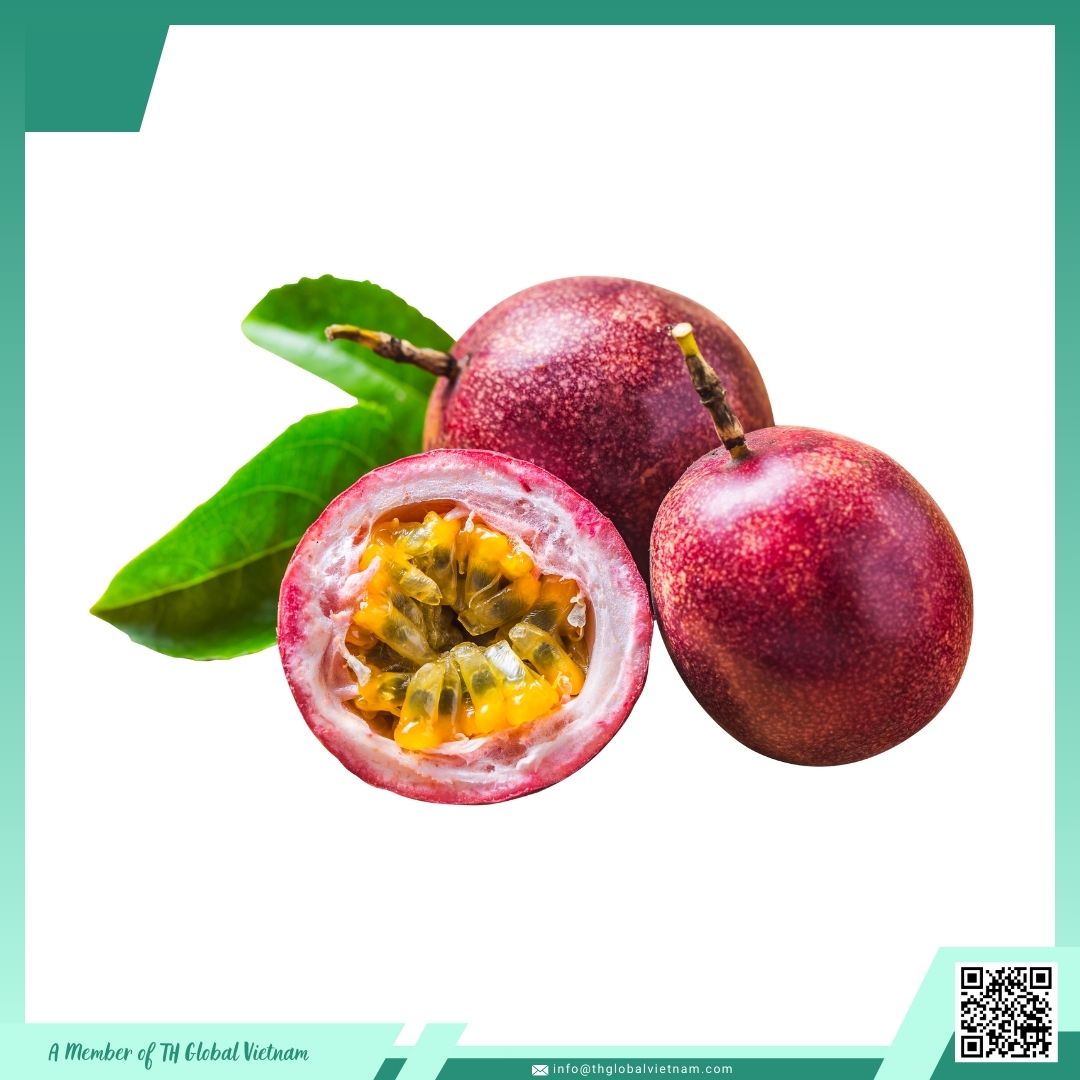
Learn more about how fresh passion fruits Vietnam are grown and harvested.
Productivity and Supply Stability
One of the most important differences lies in productivity. Yellow passion fruit typically produces larger fruit with higher juice content and stronger resistance to pests and diseases. These characteristics result in higher yields and more stable output throughout the harvesting cycle.
Purple passion fruit usually has lower yield per hectare and is more sensitive to growing conditions. While it offers excellent aroma, its supply can be less consistent, especially for large-scale buyers.
Because of its higher efficiency, yellow passion fruit supply is better suited for long-term contracts, bulk sourcing, and industrial-scale processing.
Market Applications and End-Use Differences
Purple passion fruit is generally more suitable for:
-
Fresh consumption
-
Specialty or premium markets
-
Consumers who prefer strong acidity
Yellow passion fruit is more suitable for:
-
Juice and concentrate production
-
Frozen pulp and puree
-
Smoothies, dairy, and beverage manufacturing
-
Mass-market and industrial applications
Due to its balance of flavor and yield, yellow passion fruit supply supports a wider range of commercial uses and provides better cost efficiency for processors.
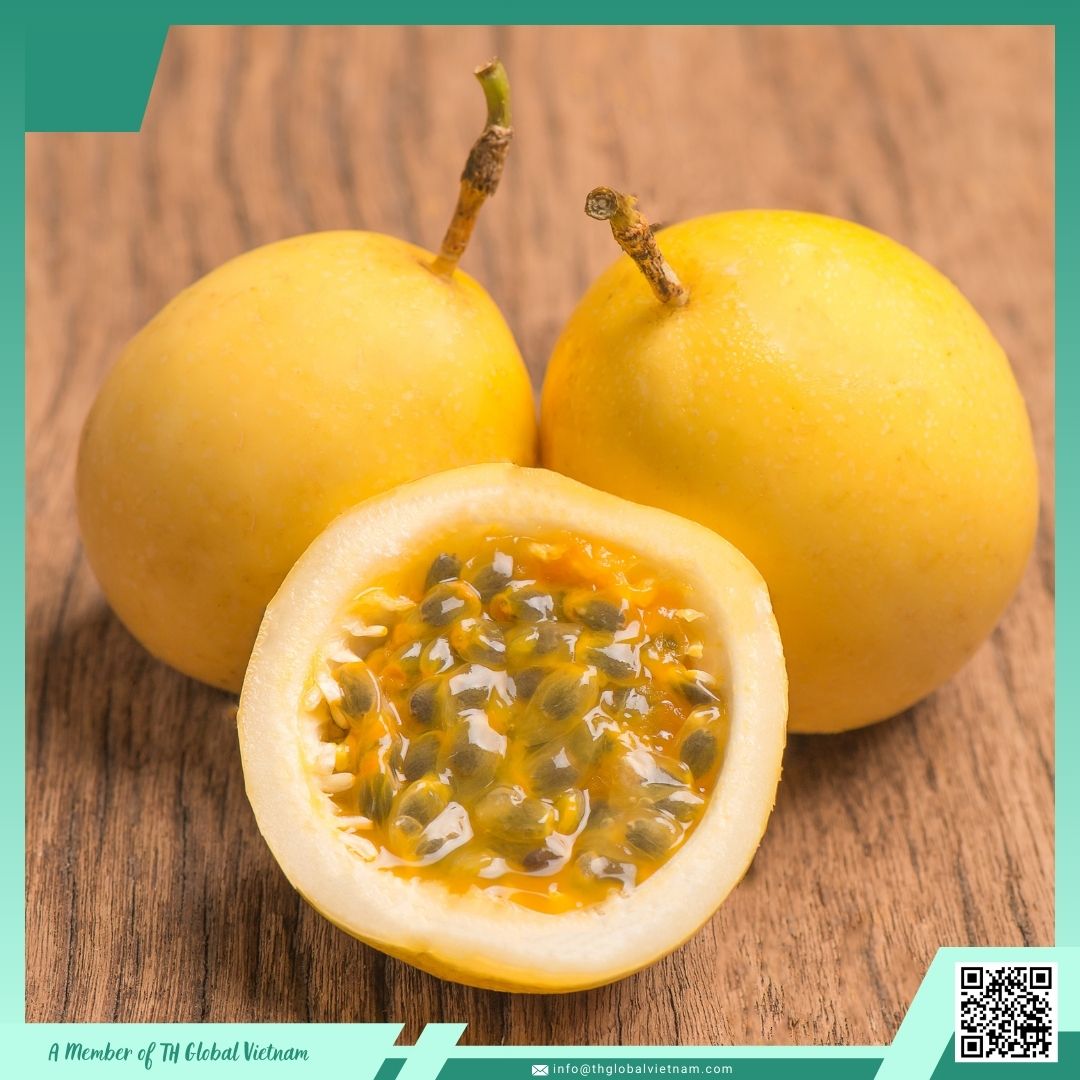
Vietnam’s Role in Yellow Passion Fruit Supply
Vietnam has developed strong expertise in cultivating and exporting yellow passion fruit thanks to suitable climate conditions, experienced growers, and improving post-harvest systems. Exporters can supply yellow passion fruit in fresh, frozen, and processed forms with full export documentation.
This makes Vietnam a competitive and reliable origin for buyers seeking consistent yellow passion fruit supply for international markets.
Explore more about our fresh fruit range here
While both purple and yellow passion fruit have their strengths, they serve different market needs. Purple passion fruit offers intense sourness and aroma for specific consumer segments, whereas yellow passion fruit supply delivers higher yield, broader flavor appeal, and greater efficiency for global trade.
For importers and processors focused on scalability, versatility, and stable sourcing, yellow passion fruit remains the more practical choice. Working with an experienced exporter ensures reliable supply and consistent quality tailored to your target market.