











Vietnam agriculture export has surged, hitting $53 billion in 2023 per Vietnam General Statistics Office. As a vietnam agriculture exporter, mastering 2026 trends is key. This guide reveals seven secrets for success. Learn quality standards, market strategies, and compliance tips. Exporters of fruits, purees, and spices will gain actionable insights to boost competitiveness.
Market Trends Shaping Vietnam Agriculture Export in 2026
Global Demand for Vietnamese Fruits
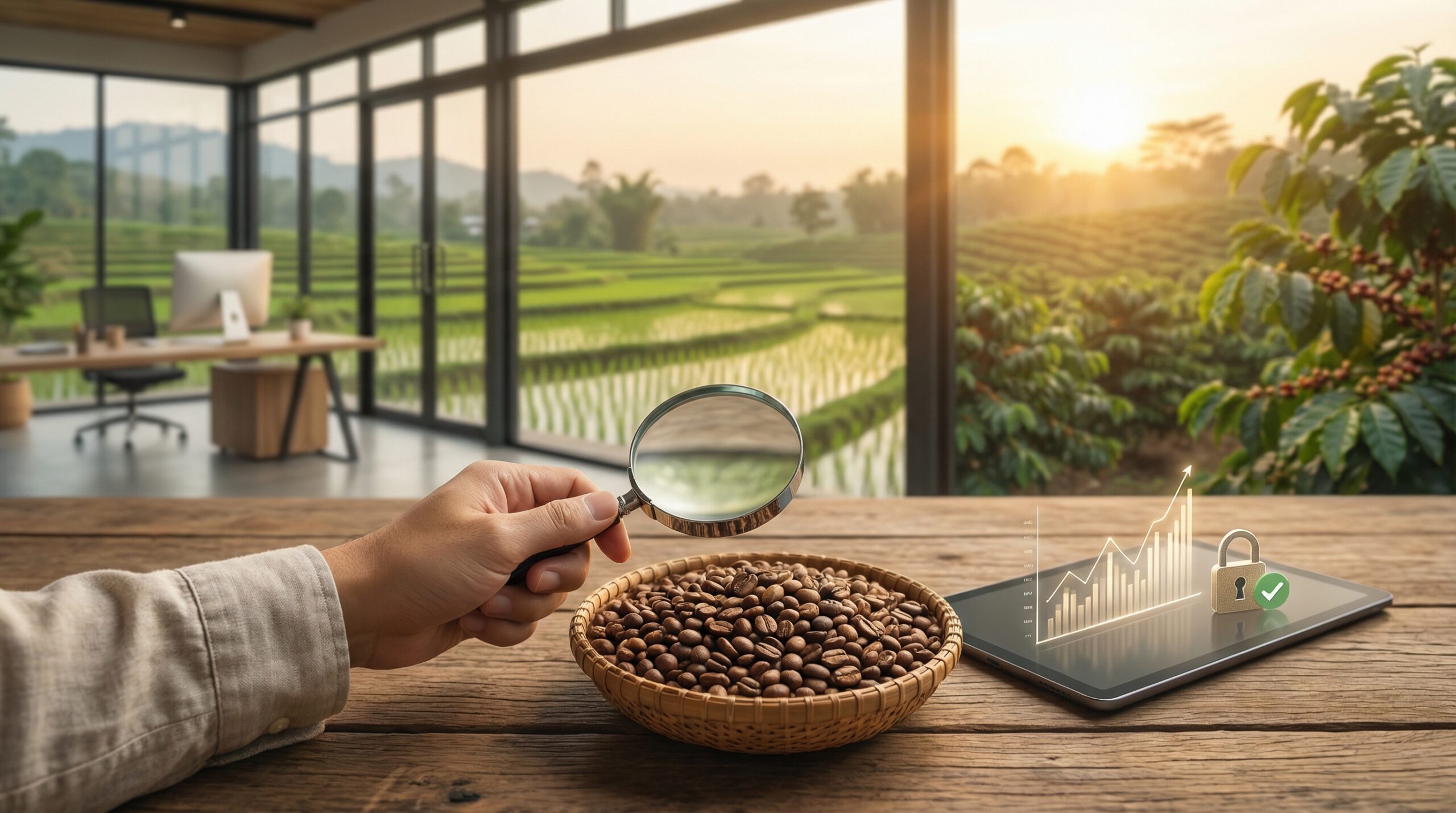
Dragon fruit and lychee lead exports. In 2023, dragon fruit reached 1.3 million tons exported. Demand grows in China and the US. Quality packaging preserves freshness. Vietnam agriculture exporters must track seasonal peaks.
Climate-resilient varieties emerge. Exporters invest in cold chains. This reduces spoilage by 30% according to industry reports.
- Monitor China import quotas quarterly.
- Upgrade to refrigerated containers.
- Test for pesticide residues pre-shipment.
Purees and Spices Gain Traction
Pineapple puree exports hit $200 million yearly. EU markets seek organic certifications. Vietnam agriculture export volumes rise 15% annually. Spices like pepper top $1 billion.
Processing tech improves shelf life. High-pressure processing (HPP) is popular. It retains nutrients without chemicals.
- Secure GlobalGAP certification.
- Partner with puree processors.
- Attend Asia Fruit Logistica yearly.
Top Markets for Vietnam Agriculture Exporters
| Market | Key Products | Growth 2026 Projection |
|---|---|---|
| China | Dragon fruit, durian | 20% |
| USA | Pepper, coffee | 12% |
| EU | Purees, spices | 15% |
| Japan | Lychee, mango | 10% |
| South Korea | Star apple, guava | 18% |
Data from FAO. Focus on high-value markets.
Secret 1: Mastering Quality Control in Vietnam Agriculture Export

Implementing Global Standards
Vietnam agriculture exporters succeed with HACCP and ISO 22000. Vinamilk applied these, boosting dairy exports 25%. Fruits need similar rigor. Test for heavy metals routinely.
Traceability systems track from farm to port. Blockchain pilots show 40% efficiency gains.
- Audit suppliers monthly.
- Train staff on food safety.
- Invest in lab testing equipment.
Case Study: VinEco’s Success
VinEco, Vingroup’s arm, exports organic veggies. They achieved EU compliance in 2022. Revenue doubled. Vietnam agriculture export quality focus pays off.
Lessons: Vertical farming cuts contamination. Certifications open premium markets.
Pesticide Management Best Practices
EU MRL limits challenge exporters. Switch to IPM reduces residues 50%. Monitor via VietGAP.
| Standard | Requirement | Benefit |
|---|---|---|
| VietGAP | Local compliance | Domestic access |
| GlobalGAP | International audit | EU/US entry |
| Hữu cơ | No synthetics | Premium pricing |
Secret 2: Navigating Certifications for Vietnam Agriculture Exporters

Essential Certifications Breakdown
GlobalGAP is mandatory for EU fruits. Costs $5,000 initially but recoups fast. BRCGS suits processed purees.
Vietnam agriculture export relies on these. Non-compliance blocks 70% of shipments per USDA data.
- Start with VietGAP.
- Upgrade to GlobalGAP.
- Pursue organic for spices.
Real Example: Nafoods Group’s Strategy
Nafoods exports frozen fruits and purees. They hold 15 certifications. Exports reached $150 million in 2023. Key: Annual renewals and audits.
Tip: Bundle certifications for cost savings.
Organic Certification Path
USDA Organic demands 3-year transition. Vietnamese pepper farms succeeded via cooperatives. Premiums hit 30% higher.
Link to Vietnam Organic Fruit Processing Guide for details.
Secret 3: Logistics Mastery for Vietnam Agriculture Export
Cold Chain Infrastructure
Reefer containers prevent 25% losses. Ports like Cat Lai handle 80% fruit exports. Invest in IoT monitoring.
Vietnam agriculture exporters cut delays with digital booking. Aim for under 48-hour port clearance.
- Select MAWB carriers.
- Use temperature loggers.
- Insure high-value loads.
Port and Shipping Optimization
Ho Chi Minh Port congestion peaks in monsoon. Shift to Cai Mep for 20% faster turnaround. Track via Maersk.
Air freight suits lychees; sea for purees.
Case Study: TH True Milk Logistics
TH Group built private cold storage. Dairy exports to China tripled. Apply to fruits: On-site processing plants.
Results: 15% cost reduction.
Secret 4: Market Intelligence for Vietnam Agriculture Exporters
Using Data Analytics
Trade Map by ITC provides import stats. Spot gaps like US lychee demand up 22%.
Vietnam agriculture export planning needs weekly scans. Tools like Spice Export Market Analysis.
- Subscribe to Tridge.
- Analyze competitor pricing.
- Forecast via AI tools.
Trade Agreements Leverage
EVFTA cuts EU tariffs 99%. CPTPP opens Japan. Compliance unlocks billions.
Example: Coffee exports boomed post-agreement.
Competitor Benchmarking
| Exporter | Strength | Lesson |
|---|---|---|
| Philippines | Banana volume | Scale production |
| Thailand | Durian branding | Marketing investment |
| Vietnam | Diversification | Multi-crop strategy |
Secret 5: Financial Strategies for Vietnam Agriculture Export
Export Financing Options
Vietcombank offers EXW loans at 5% interest. Use LCs for security. Hedging protects against FX swings.
Vietnam agriculture exporters average 90-day terms. Negotiate better with volume.
- Apply for Vietrade support.
- Join export credit schemes.
- Factor invoices early.
Risk Management
Crop insurance covers typhoons. Political risk via MIGA. Diversify buyers to avoid over-reliance.
Real case: 2020 floods hit Mekong; insured farms recovered fast.
Pricing Strategies
FOB vs CIF: Choose based on control. Dynamic pricing via apps matches spot rates.
Premium for certified goods: 20-40% uplift.
Secret 6: Sustainability in Vietnam Agriculture Export
ESG Compliance Demands
EU CBAM taxes carbon post-2026. Low-emission farming essential. Solar drying for spices cuts energy 50%.
Vietnam agriculture export sustainability reports boost buyer trust. Link to Sustainable Spice Processing.
- Measure carbon footprint.
- Certify Rainforest Alliance.
- Report via CDP.
Water and Soil Practices
Drip irrigation saves 40% water in mango farms. Cover crops prevent erosion. Vinamilk model expands to fruits.
Benefits: Yield up 15%, costs down.
Worker Welfare
SA8000 certification attracts ethical buyers. Fair wages reduce turnover 30%.
Vietnam’s fruit sector employs 12 million. Sustainability ensures long-term viability. – FAO Report
Secret 7: Technology Adoption for Vietnam Agriculture Exporters
Digital Platforms
Alibaba and Tridge connect buyers. VR farm tours seal deals. Vietnam agriculture export digital shift accelerates sales 35%.
ERP systems track inventory real-time.
- Build e-commerce site.
- Use AI for demand forecast.
- Adopt drone farm monitoring.
Processing Innovations
Aseptic packaging for purees extends shelf to 24 months. IQF freezing for fruits preserves quality.
Example: Nafoods IQF line exports to 40 countries.
Real-World Tech Success: Vina T&T
Vina T&T uses blockchain for pepper traceability. Exports to Whole Foods doubled. Tech verifies origin instantly.
Investment ROI: 18 months.
Conclusion: Your Roadmap to Vietnam Agriculture Export Success
Master these seven secrets: quality, certifications, logistics, intel, finance, sustainability, tech. Vietnam agriculture exporters like Nafoods and VinEco prove it works. Start with one checklist today. Track progress quarterly. Global markets await in 2026.